
Braids are a timeless hairstyle that show up in everything from fashion sketches to anime characters. If you’ve ever struggled with symmetry, volume, or that natural twist effect, you’re not alone! In this collection from dooduko, you’ll find step-by-step guides, creative tips, and fun hacks to help you master how to draw braids in different styles—whether it’s simple, Dutch, fishtail, or fantasy-inspired. Get your pencils ready!
How to draw braided hair
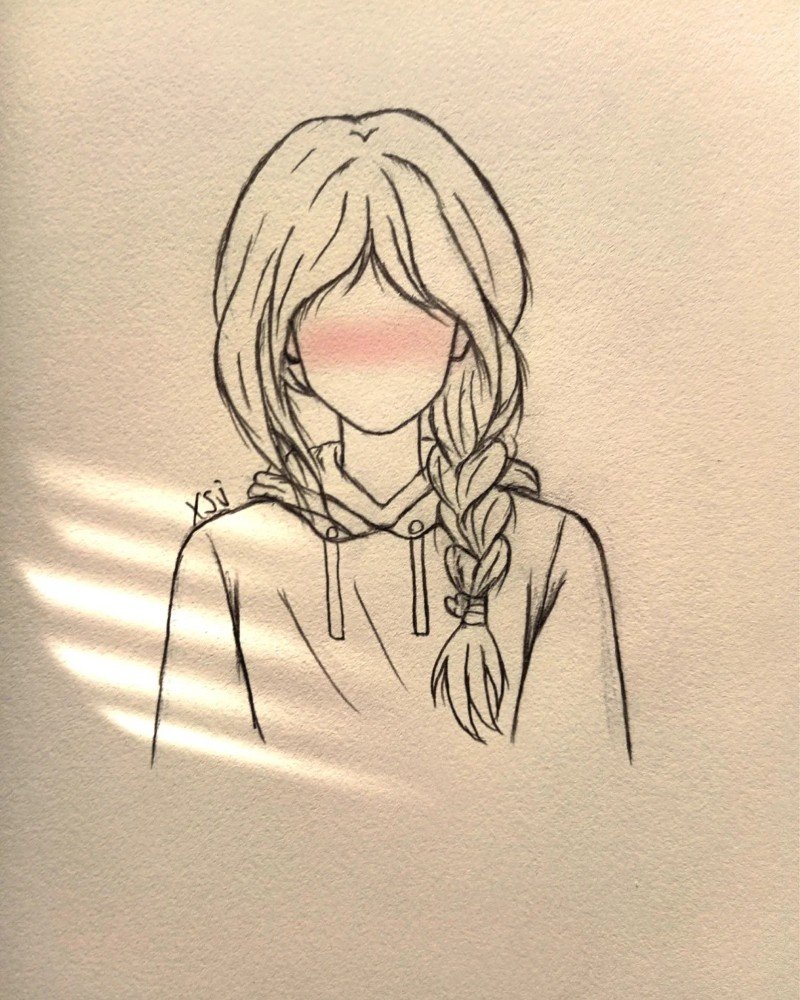
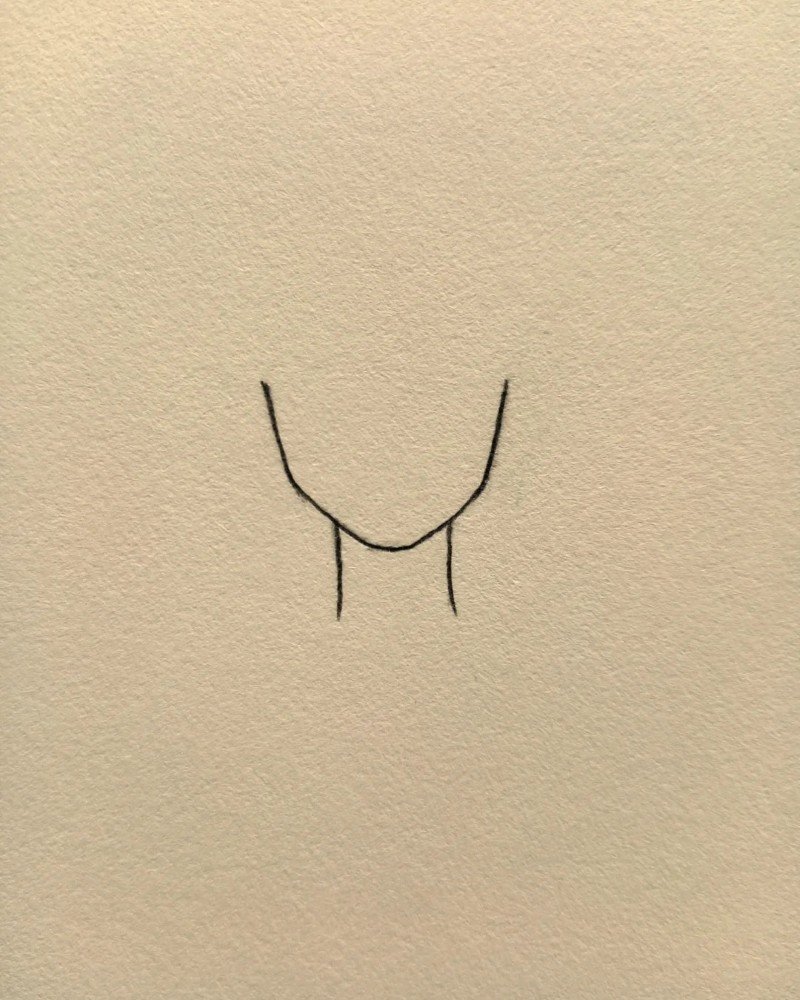
Step 1: Draw two short curved lines pointing outward to mark the base of the braid, acting as the first guides for where the hair strands will form.
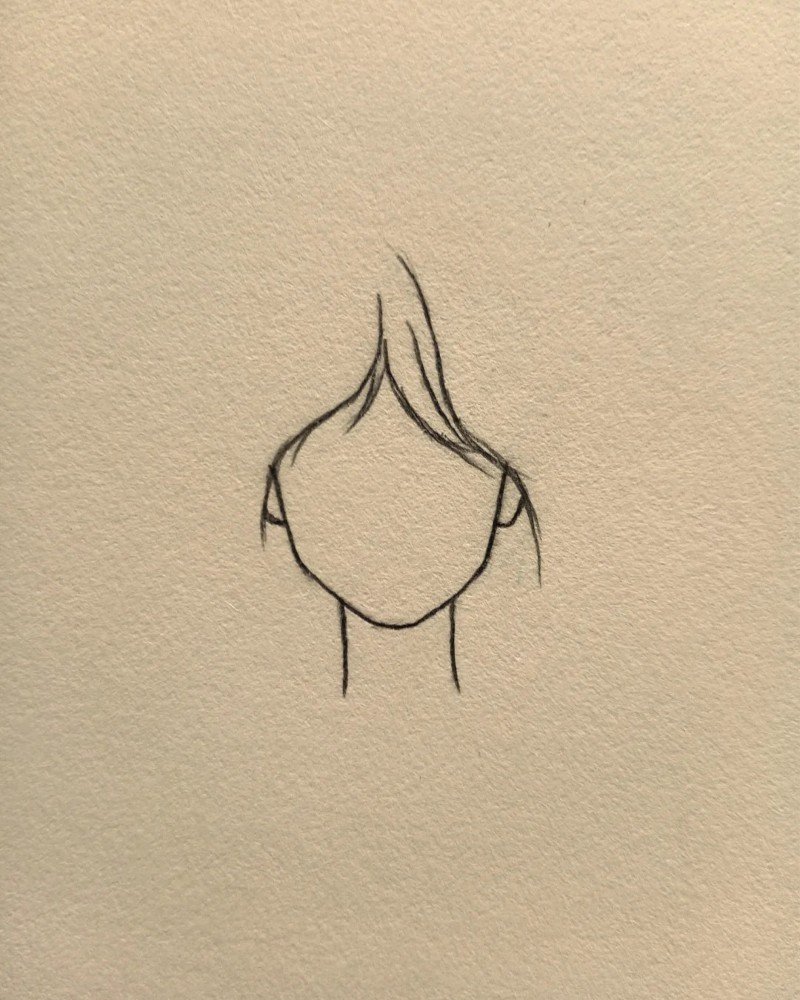
Step 2: Add a teardrop shape above the lines to create the braid’s starting point where the hair gathers, showing volume and direction.
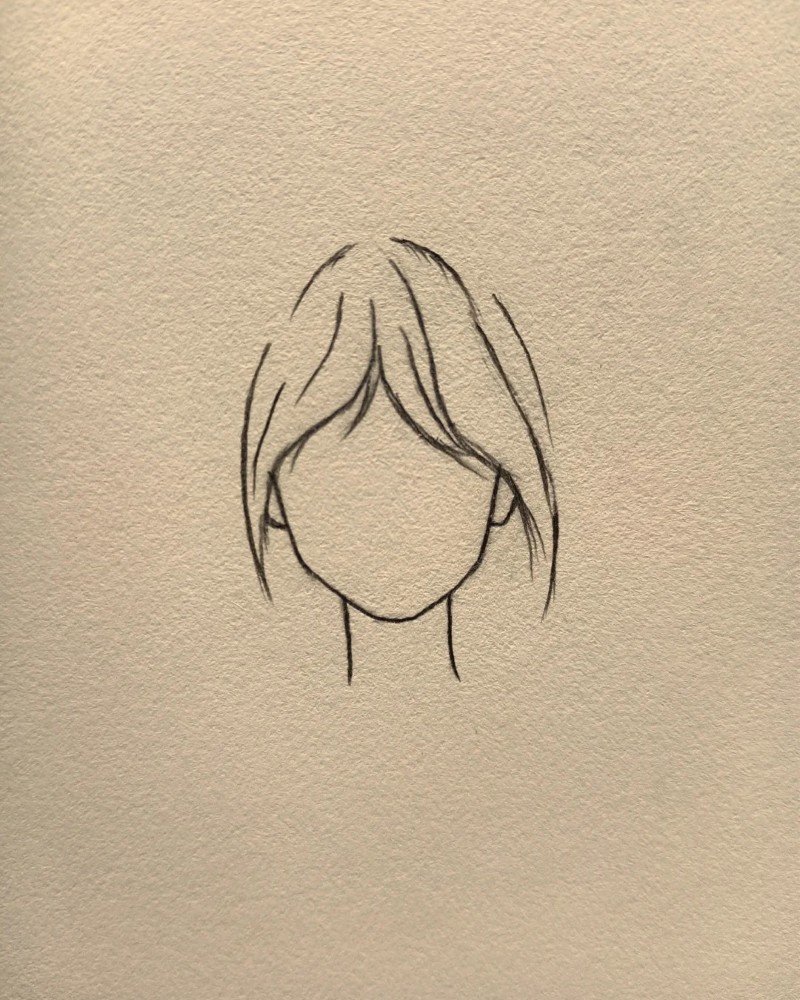
Step 3: Sketch the outline of the head and add rough framing strands around the face to define the overall hairstyle and placement of the braid.
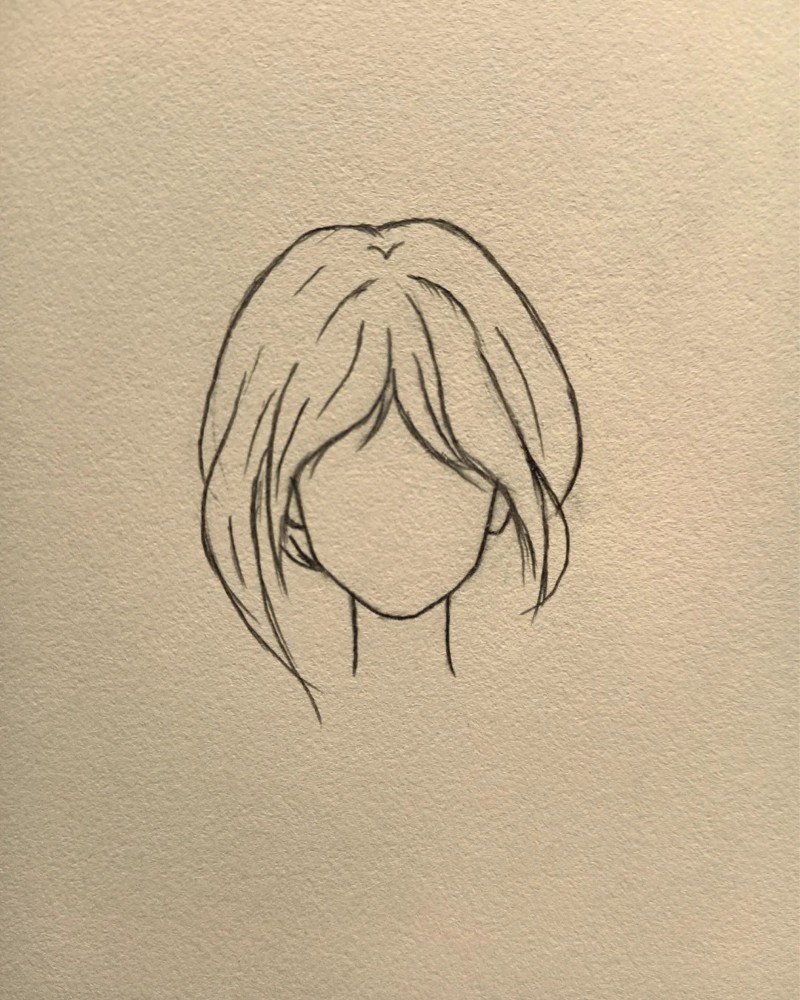
Step 4: Refine the top section of the hair and start shaping the braid’s beginning with curved strands flowing inward from both sides.
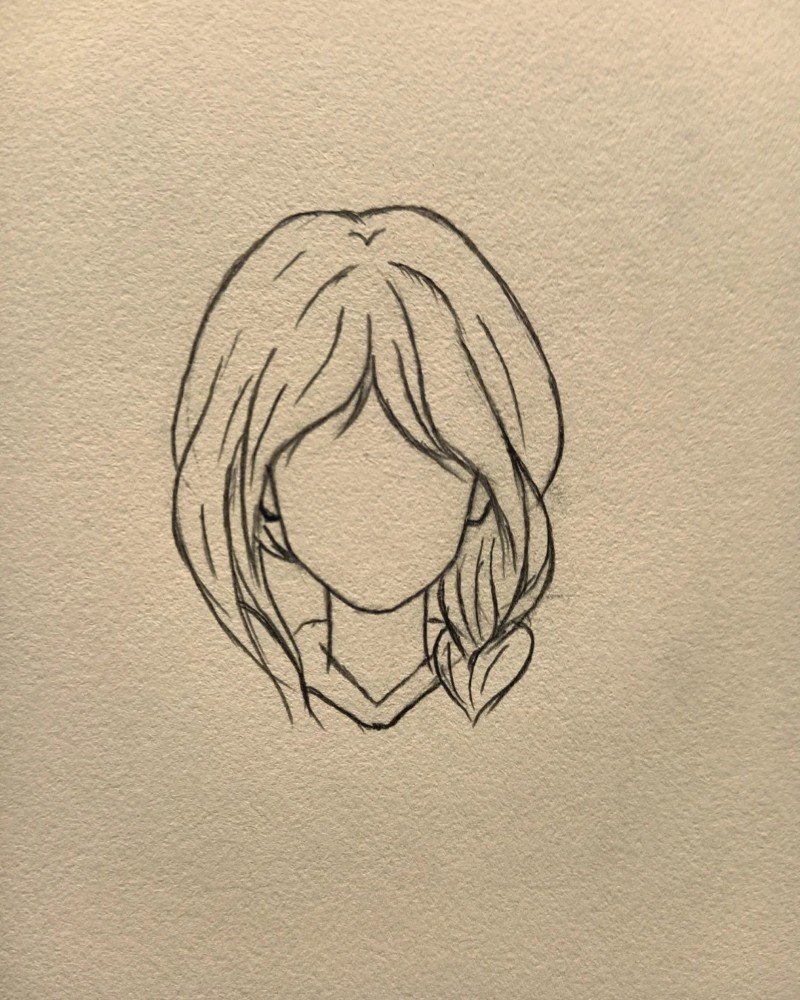
Step 5: Draw the overlapping braid loops using S-shaped curves, making each section cross neatly to show the interwoven braid pattern.
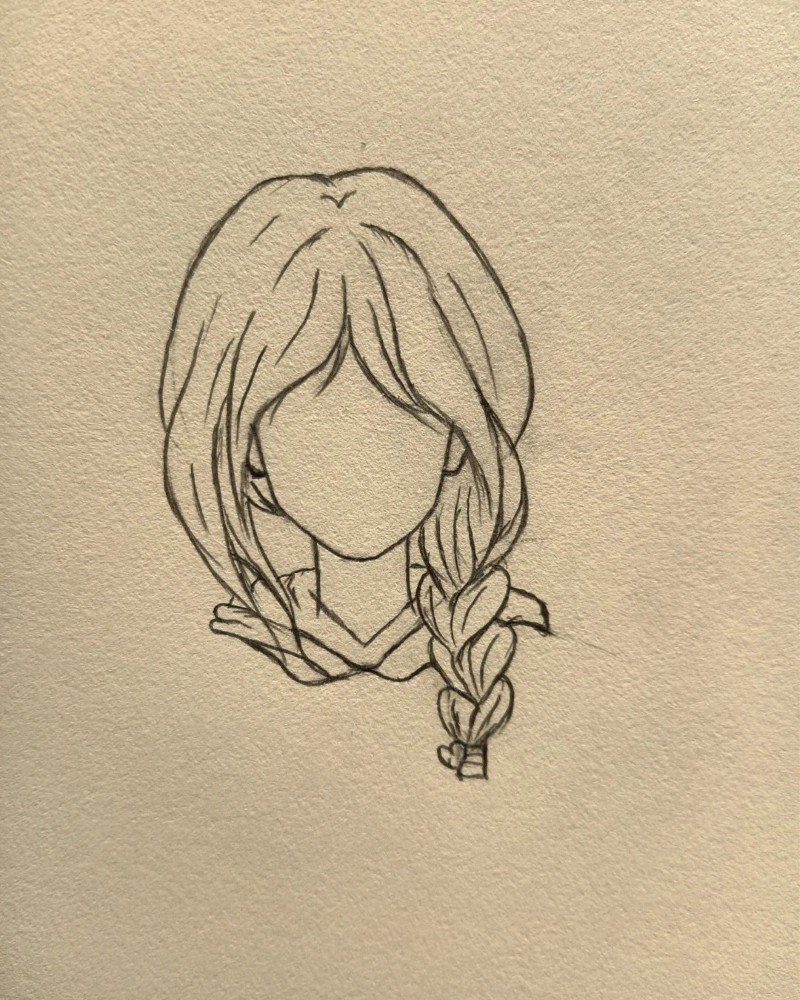
Step 6: Extend the braid downward with more loops, gradually tapering them to give the braid a natural, flowing look toward the tip.
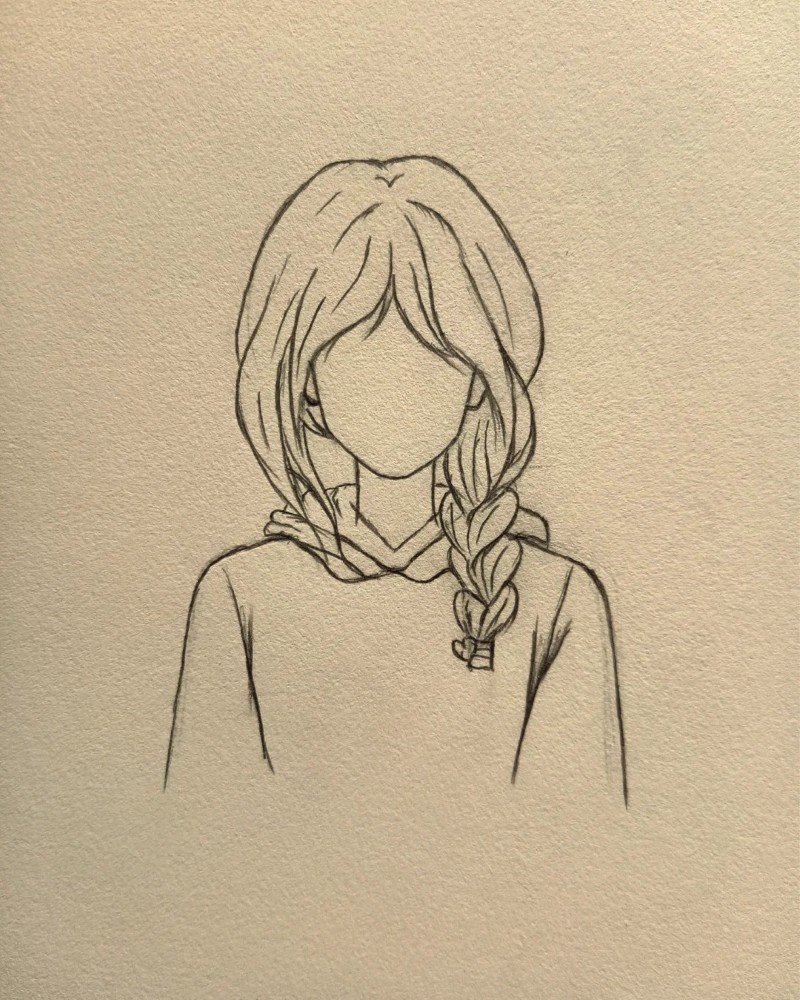
Step 7: Add neck and shoulder outlines, making sure the braid aligns naturally with the body and rests over one side for a stylish look.

Step 8: Finalize the drawing with hair texture, loose strands, and line refinements to make the braid appear full, dynamic, and realistic.
How to draw braids
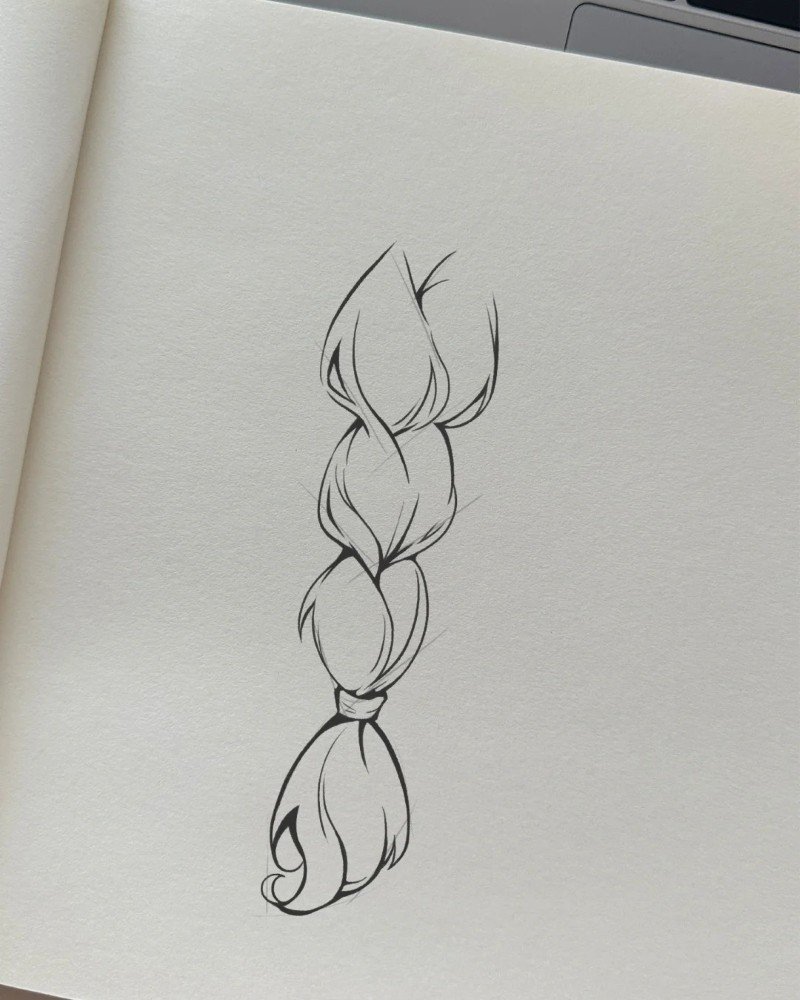
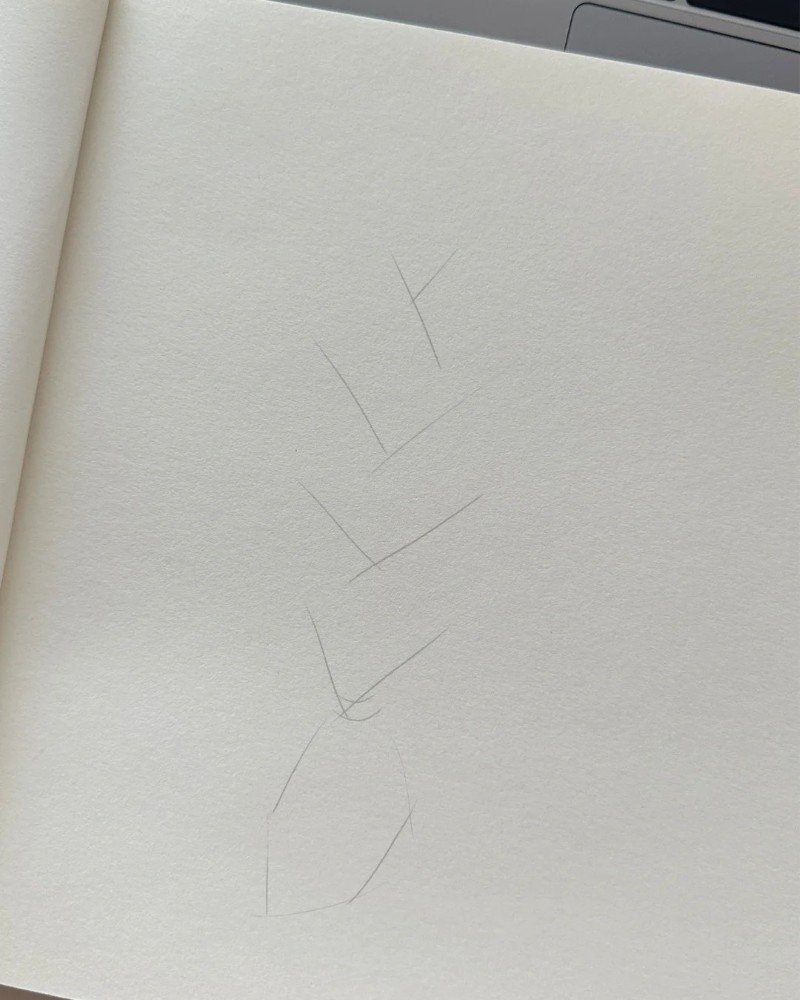
Step 1: Begin by lightly sketching a vertical guideline to center the braid, then draw two small curves at the top to mark the start of the braid’s loop.
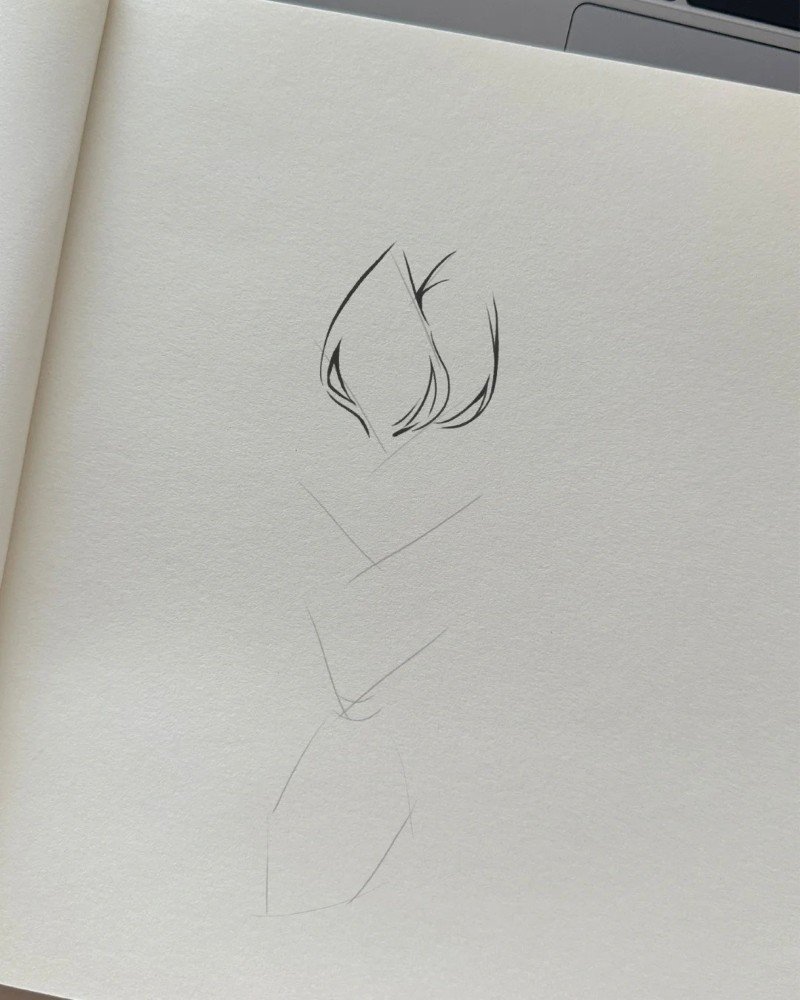
Step 2: Add a second set of loops beneath the first, making sure each new curve overlaps the one above it to create the interwoven braid effect.
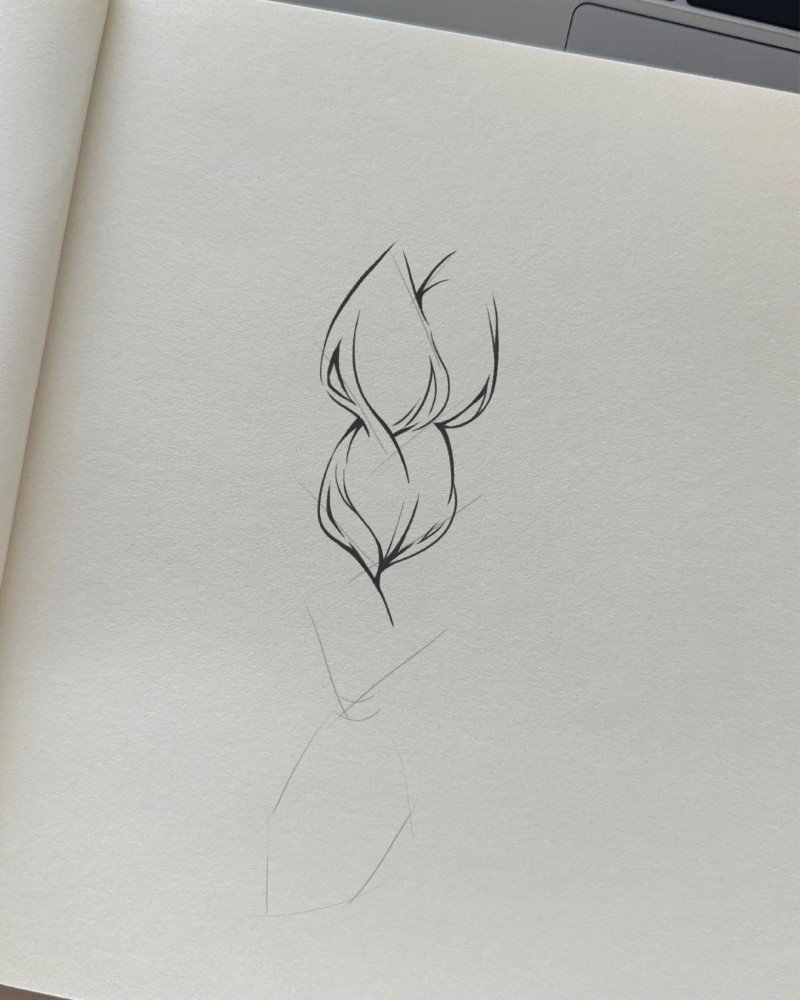
Step 3: Continue drawing more braid loops downward, keeping them symmetrical and gradually slightly narrower for a natural braid taper.
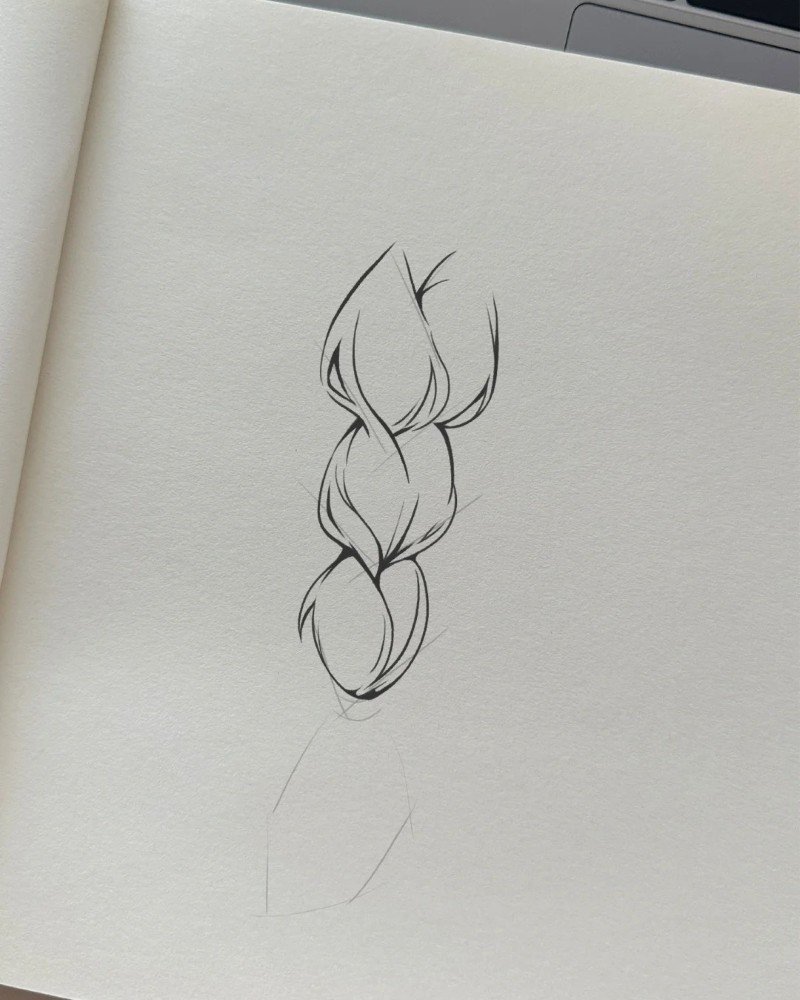
Step 4: Add a fourth segment to the braid using soft, connected curves to show continuity and depth in the overlapping structure.
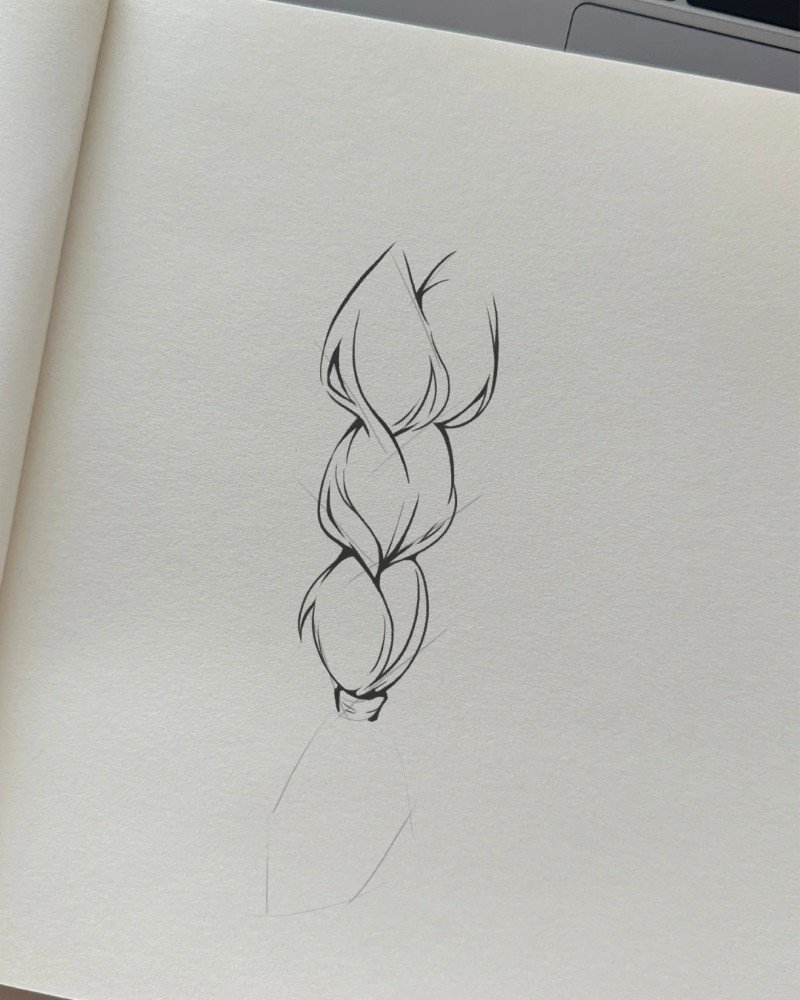
Step 5: Complete the braid with final loop details and a small tie or knot at the bottom, then clean up any extra lines to refine the shape.
How to draw braids easy
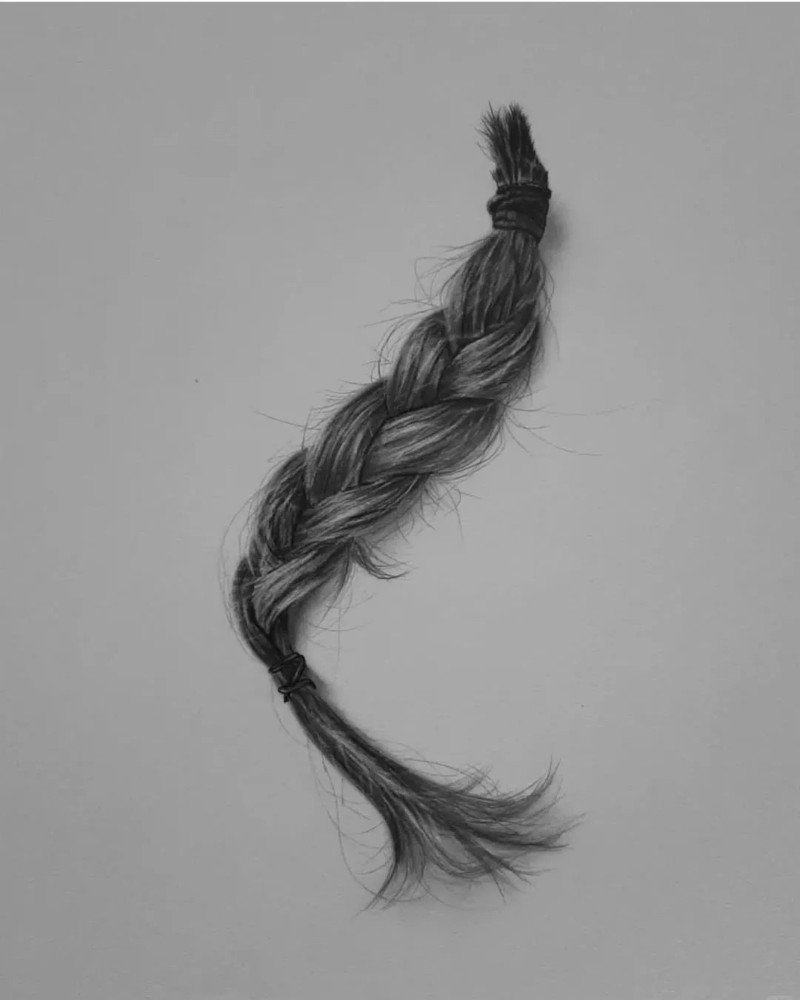
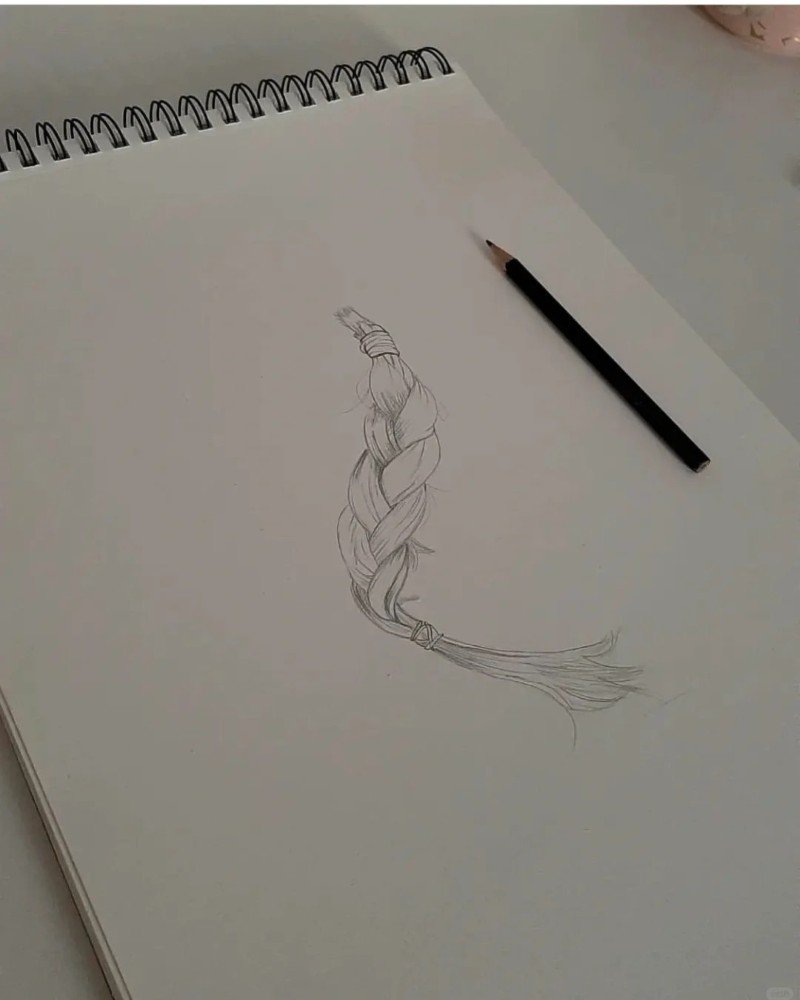
Step 1: Start with a light wavy guideline and draw the outer flow of the braid using loose, flowing lines that curve naturally downward.
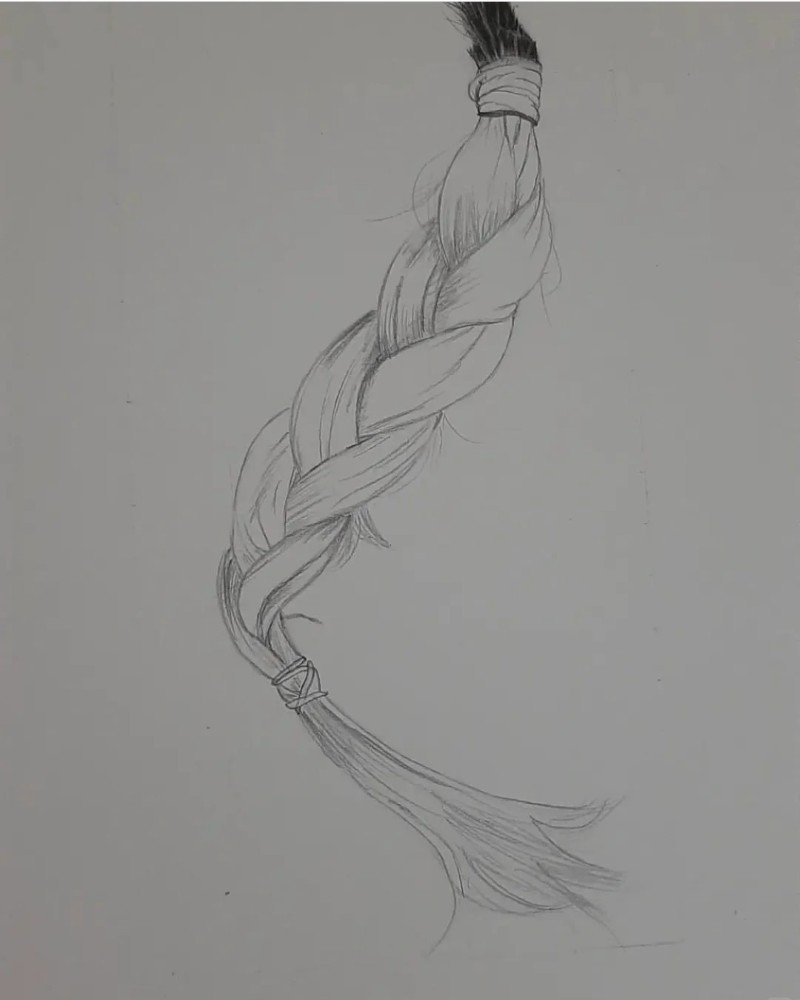
Step 2: Sketch inner S-shaped loops along the guideline, forming the overlapping braid structure with a slight twist in each section.
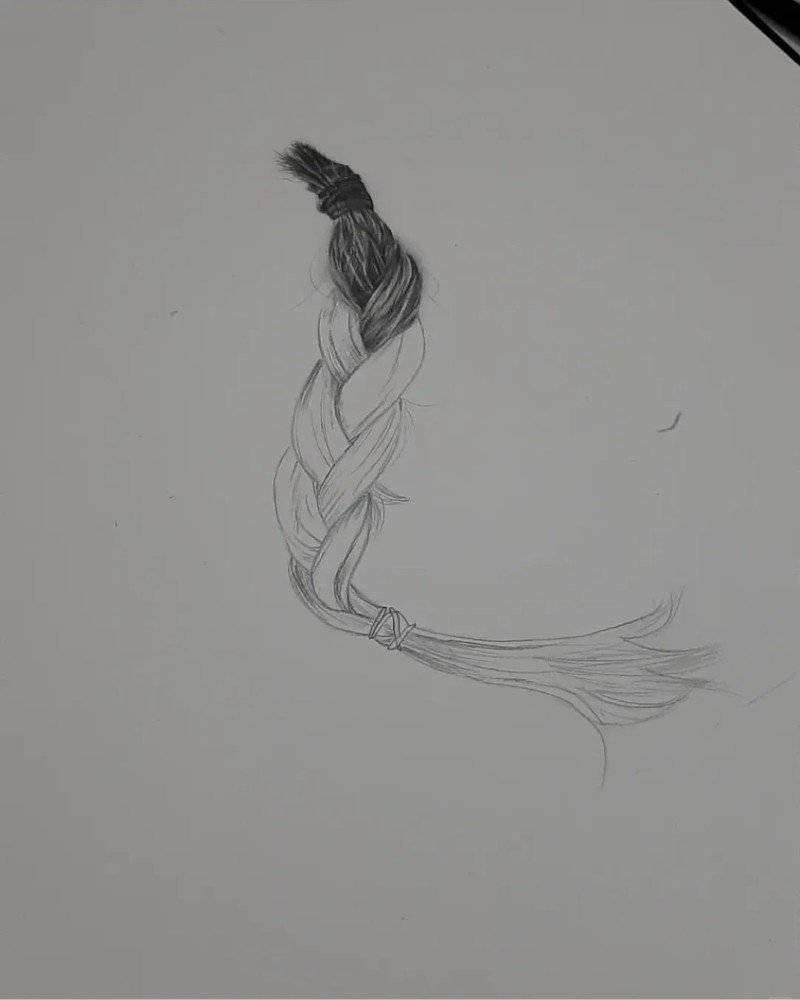
Step 3: Refine the braid shape by darkening the core lines and adding more definition to each loop to enhance the 3D twist.
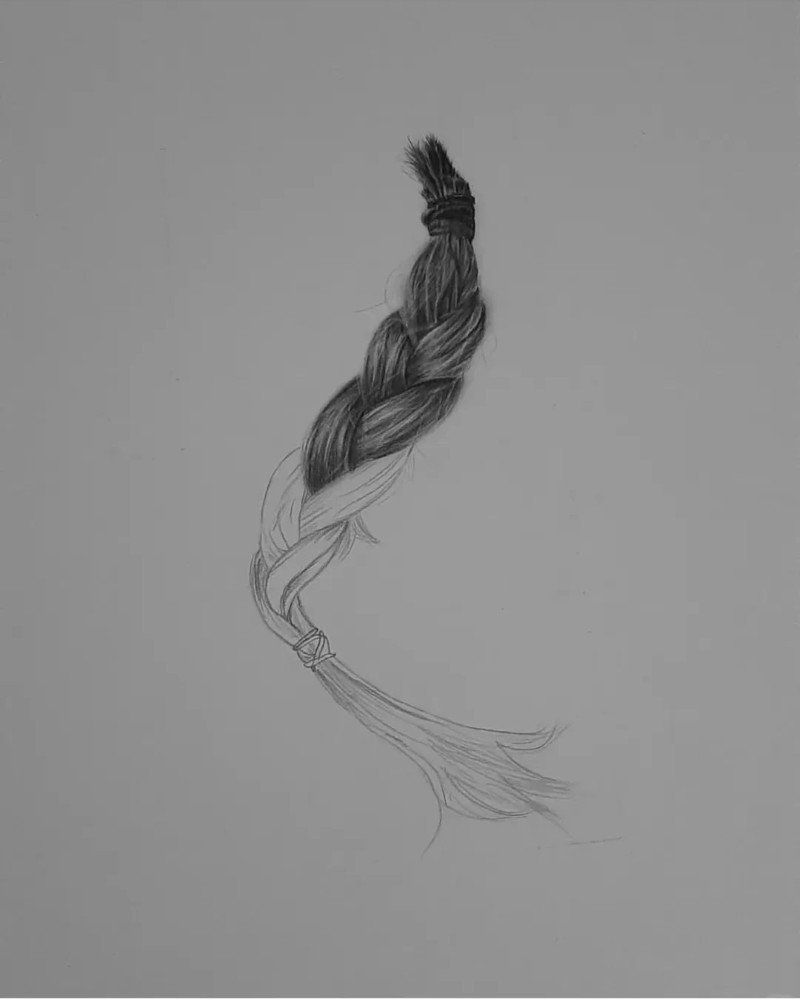
Step 4: Shade one side of each braid loop to create depth and contrast, making the braid look more realistic and dynamic.
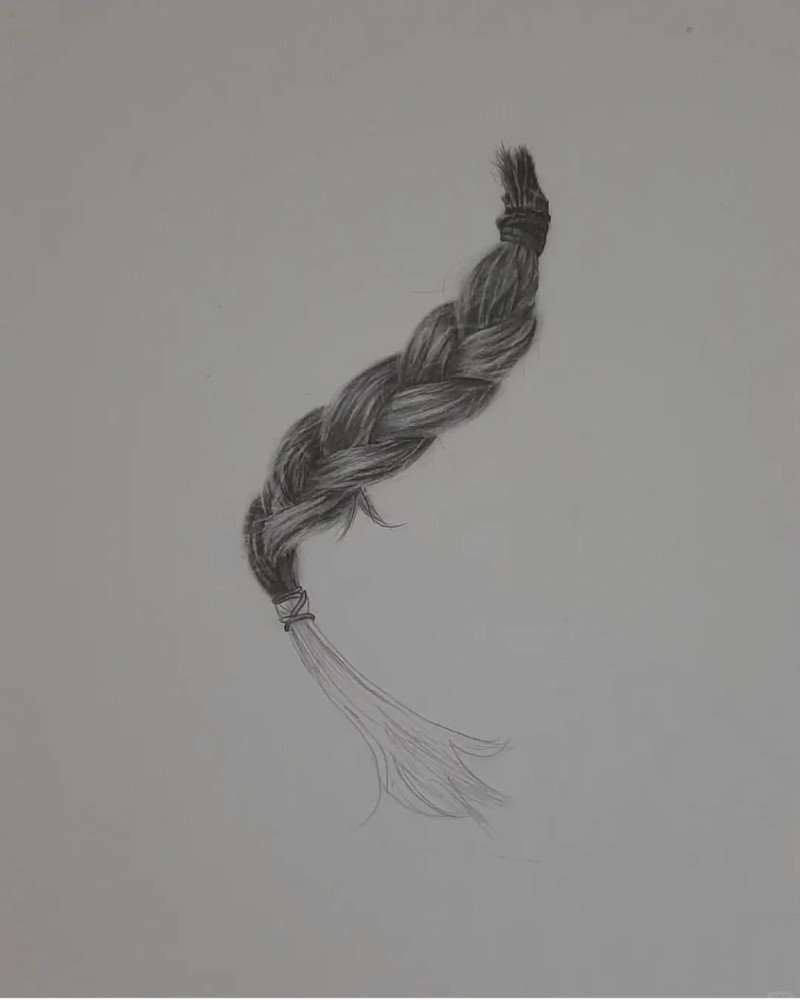
Step 5: Add final shading, smooth gradients, and loose hair strands at the ends to complete a soft, natural-looking easy braid.
How to draw braids in hair
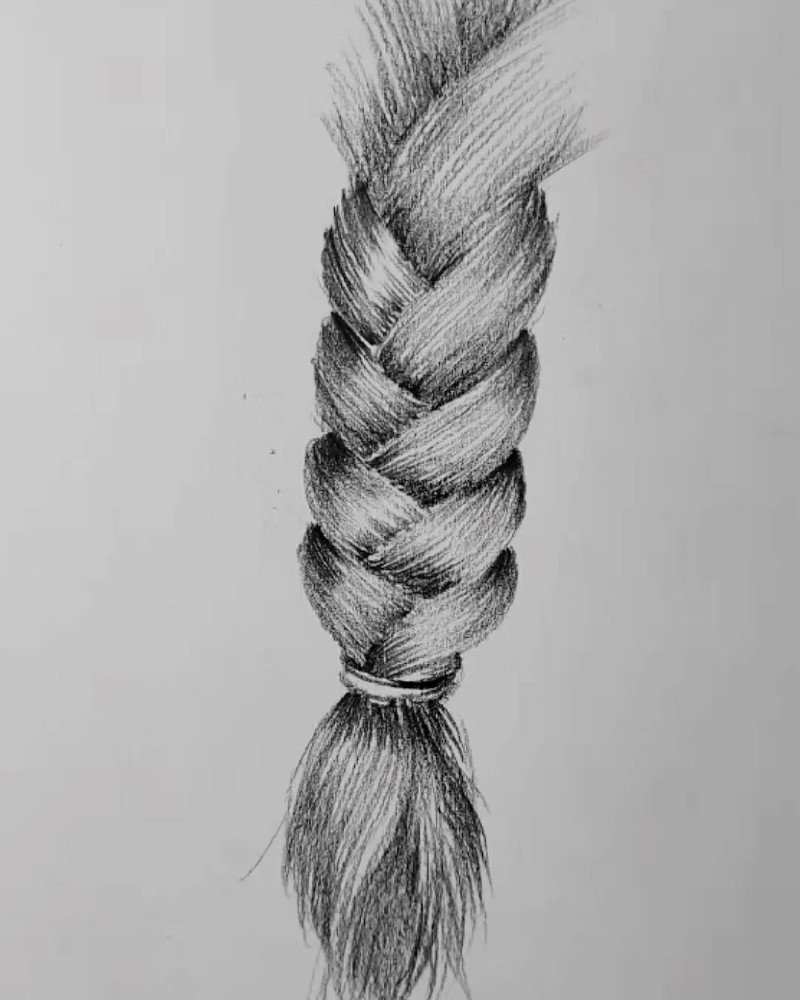
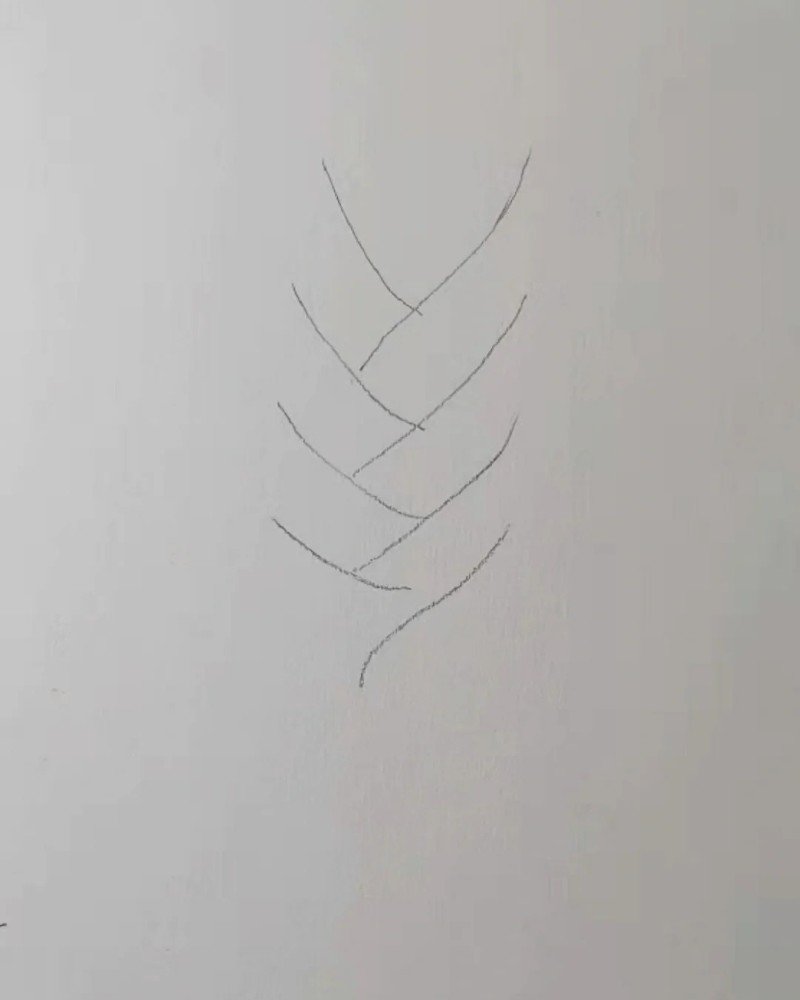
Step 1: Draw a vertical centerline and sketch V-shaped sections that alternate left and right to build the basic structure of a braid.
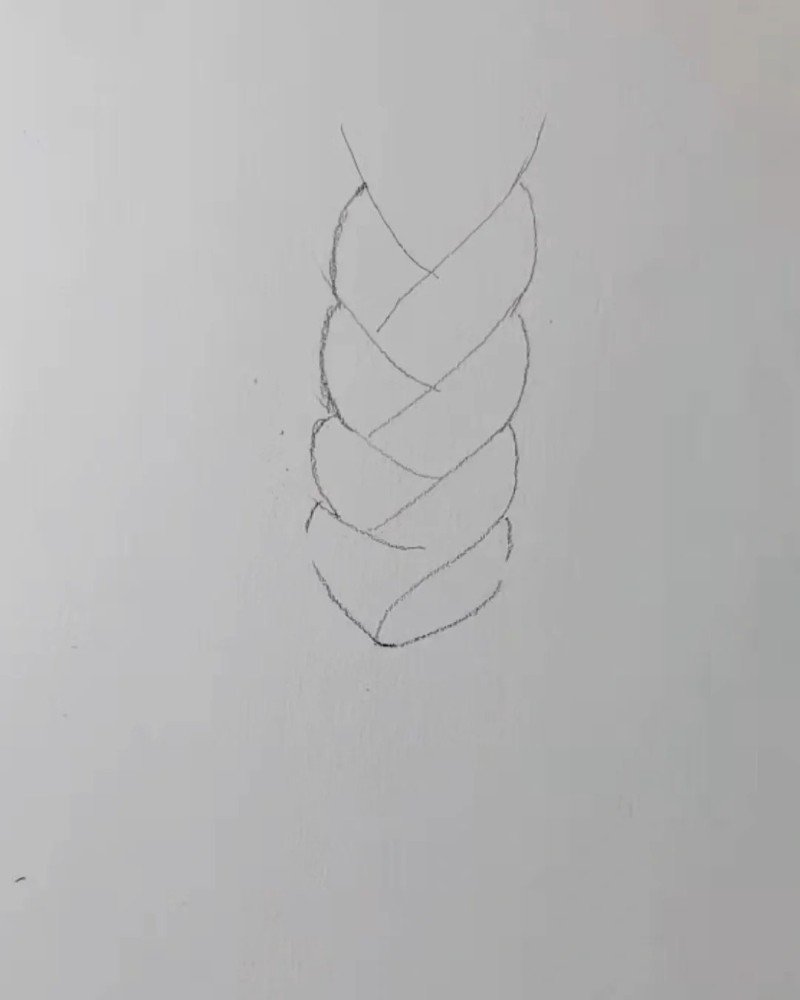
Step 2: Add curved sides to each V section to give the braid more volume and a three-dimensional appearance.
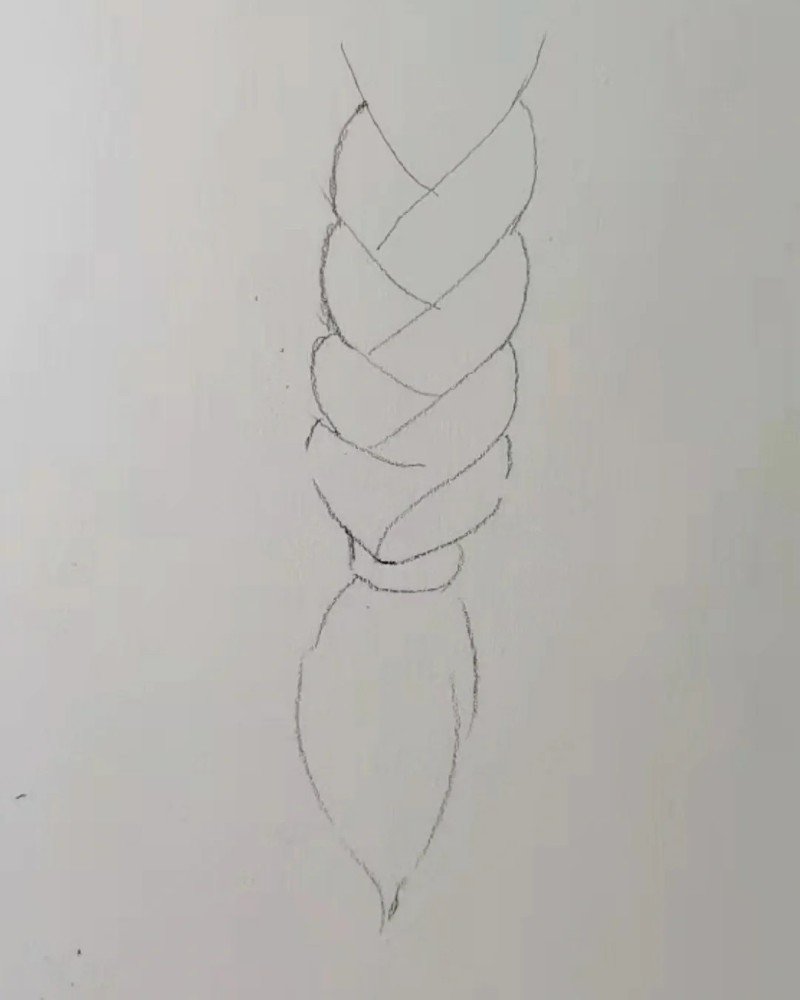
Step 3: Refine each braid segment, connecting them neatly and drawing a base tie at the end to complete the braid shape.
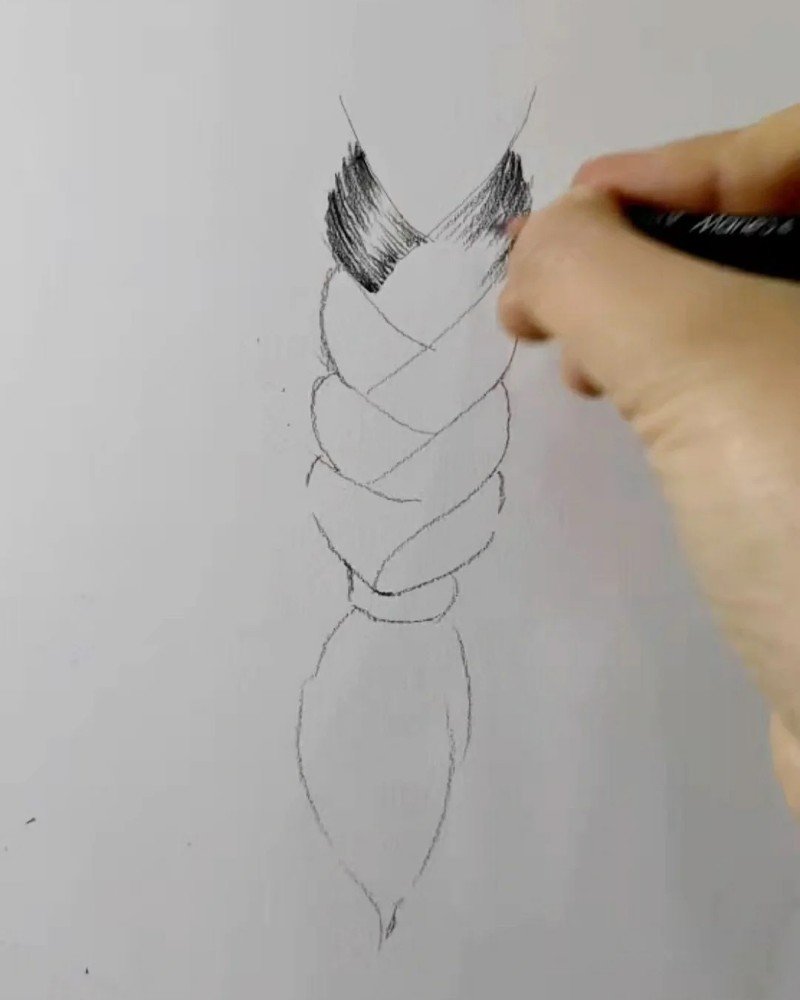
Step 4: Start sketching surrounding hair strands that blend into the braid, following natural flow from the head.
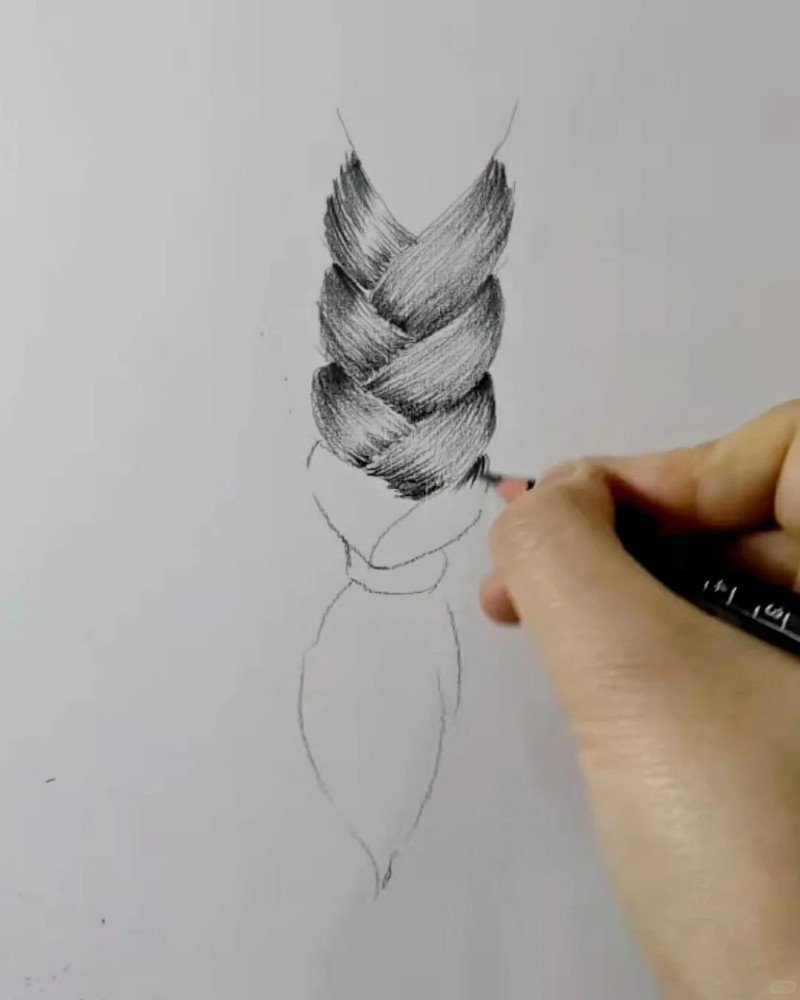
Step 5: Shade the braid loops with darker tones on one side to create depth, emphasizing the overlapping segments.
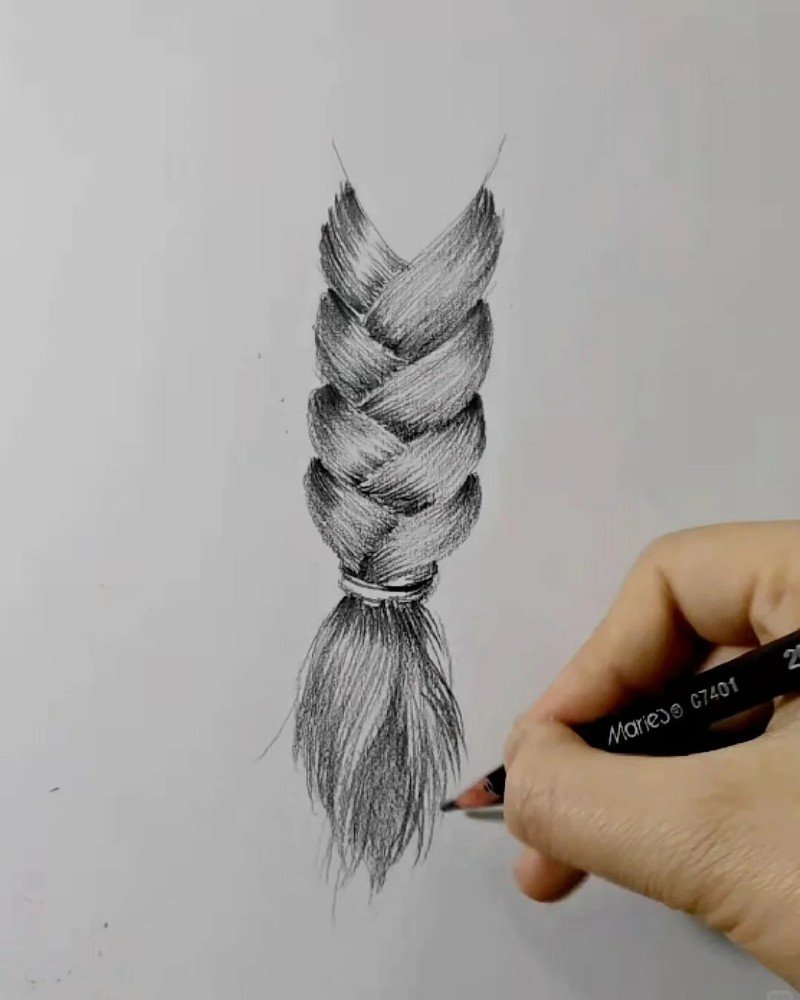
Step 6: Add final shading and refine the outer hair, making the braid look like it blends naturally into the rest of the hairstyle.
See more:
7+ quick tips for kids learning how to draw an Owl with fun
7+ easy steps on how to draw an elephant for beginners and kids
The 6+ step guide on how to draw a Volleyball for beginners
Learning how to draw braids might seem tricky at first, but with the right guidance and a little practice, you’ll be sketching stunning hairstyles in no time. Whether you’re going for a realistic look or something more animated and playful, the key is in observing patterns, adding texture, and having fun with it. Let your creativity flow—braid by braid!